
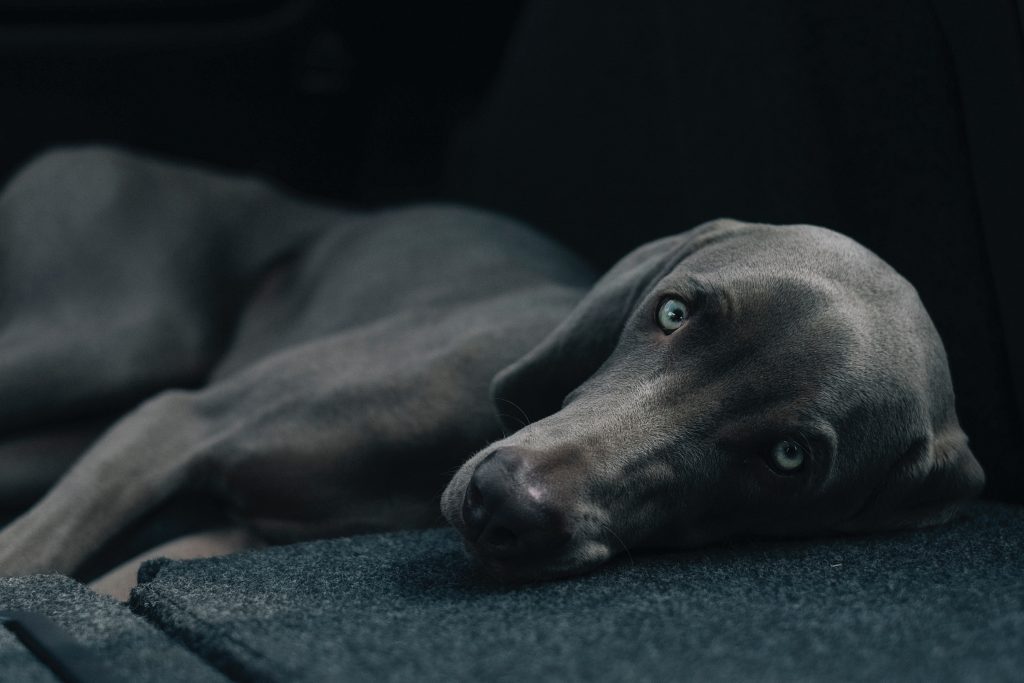
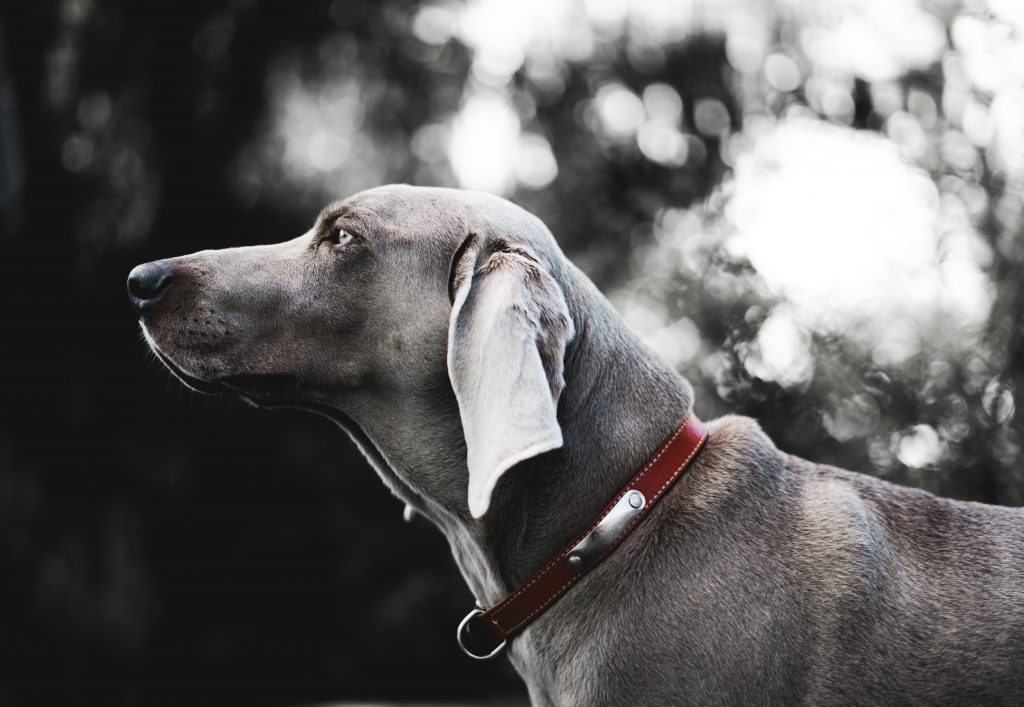
Weimaraners are among the most preferred dog breed for families because of their mild character, zest for life, and intelligence. They are also child-friendly and don’t have extensive grooming requirements. However, Weimaraners aren’t completely maintenance-free. We still need to take good care of our Weimaraners health, and other pets too, no matter the breed.
Six Common Weimaraners Health Problems
Every dog breed has special health care needs. Some might need a special diet, others regular grooming sessions. Some dogs might need socialisation, while others are better off as solo pets. Weimaraners are hardy and flexible breeds. You just have to watch out for these six common health problems of Weimaraners.
Hip and elbow dysplasia
Dysplasia is one of the top health issues of Weimaraners. Hip and elbow dysplasia often occurs at about five to six months old and are hereditary to the Weimaraners and are also common to other bigger dog breeds. Hip dysplasia is the coxo-femoral joint dysfunction or the softening of tissues around the hip joints. For elbow dysplasia, the problem appears in the elbow joint. There are no cures for the disease, however, proper diet and exercise will help slow down its progression.
Spinal dysraphism
Weimaraners may suffer a genetic disorder affecting their spinal cord and canal. Spinal Weims are prone to spina bifina, or the malformation of the spinal cord and would sometimes lead to neurological abnormalities. This is usually detected when they start walking. Weims born with SD have weak rear legs and will have difficulty walking. They would wobble or bunny hop.
Distichiasis and entropion
These are types of dog eye problems common to Weimaraners. Distichiasis is the abnormal growth of eyelashes wherein instead of curling away from the eye, the lashes are curling towards the eye and poking it. Entropion is another hereditary disorder of Weimaraners. It is the inward rolling of the eyelids resulting in corneal ulcers, perforation, and pain. Distichiasis and entropion can both be corrected surgically.
Hypertrophic Osteodystrophy (HOD)
This disease is common to large dogs. This is the inflammation of the front limbs in puppies. Dogs affected by HOD may show signs of lameness at varying degrees, lack of appetite, weight loss, fever, diarrhea, pneumonia, and lethargy. There is no cure, but puppies are expected to recover after a few days or weeks. Avoid strenuous activities while your Weim puppy is going through HOD.
Blood Clotting Problems
Many Weimaraners suffer from blood clotting problems, most specifically Haemophilia A and Von Willebrand Syndrome. Both diseases are problems with blood clotting with different clotting factors. Dogs with these illnesses do not clot fast enough to stop bleeding. This becomes a big problem when they are wounded. If you have a Weim with haemophilia A or von Willebrand, make sure to inform your veterinarian as they need to take specific precautions when treating your dog.
Gastric Torsion
This disorder is connected to your dog’s eating habits. Some Weims eat too fast and too much that their stomach extends or dilates to hold the excess amount of food digested. The problem occurs when your dog immediately does strenuous play, run, and tumble. The extra movement will exaggerate the stomach dilation causing malfunction on the blood vessels supplying the organ. Symptoms of dogs having gastric torsion are retching, listlessness, and bloated belly. Immediate medical attention is needed.
Weimaraners are generally healthy and sturdy dogs. But sometimes they get the unlucky gene and inherit one or some of the abovementioned disorders. There are also some common health problems that are totally preventable. As responsible dog parents, it is our duty to take every care and precaution to keep our beloved dog companions healthy and happy.
